
Italy is famous for many things: art, sport, music, but perhaps the greatest gift it’s given the world is its cuisine. The home of pizza, pasta, and much, much more, Italian cuisine has long been a go-to option for fine dining and special occasions. One of the secrets to its success is the variety of sauces used in Italian cooking. When paired with pasta or gnocchi, these sauces transform everyday ingredients into spectacular meals. So join Olivieri® as we dive into our recipe collection to showcase the best Italian sauces along with delicious recipes featuring them.
Exquisite Chunky Tomato Sauce
Tomato-based sauces form the foundation of countless Italian dishes. Known for their bright flavour, vibrant colour, and incredible versatility, they pair wonderfully with everything from stuffed pasta to meatballs and vegetables.
Unlike smooth tomato sauces, chunky tomato sauces feature larger pieces of tomatoes and vegetables, creating a heartier texture that adds depth to every bite. Their fresh, tangy flavour makes them a favourite for family dinners and comforting meals.

One delicious way to enjoy this classic sauce is with Spinach Ravioli with Sausage and Mushrooms. The savoury sausage and earthy mushrooms complement the richness of the ravioli, while the chunky tomato sauce ties everything together with a burst of freshness.
Another timeless option is Angel Hair Meatball Marinara. Tender meatballs, delicate angel hair pasta, and a robust marinara sauce create a satisfying meal that highlights the beauty of simple ingredients. It’s a classic example of how a well-made tomato sauce can elevate an everyday dinner into something truly memorable.

Why Tomato Sauces Remain an Italian Staple
Tomato sauces are beloved because they balance acidity, sweetness, and savoury flavours. They also provide a versatile base that can be adapted with herbs, vegetables, meats, or cheeses to suit almost any recipe. Whether served with ravioli, spaghetti, or gnocchi, tomato sauce remains one of the cornerstones of Italian cuisine.
The Fine Art of Rosé

Rosé sauce offers the best of both worlds by combining tomato sauce with cream. The result is a silky, rich sauce with a beautiful blush colour and a flavour profile that is both comforting and refined.
Rosé sauce is ideal for those who enjoy tomato-based dishes but prefer a milder, creamier finish. The addition of cream softens the acidity of the tomatoes while creating a luxurious texture that coats pasta perfectly.
A fantastic example is Chicken Prosciutto Cannelloni with Rosé Sauce. Filled with tender chicken and savoury prosciutto, the cannelloni becomes even more indulgent when baked beneath a creamy rosé sauce. The combination creates a rich and satisfying meal that’s perfect for entertaining guests or enjoying a special family dinner.
What Makes Rosé Different from Other Tomato-Based Sauces?
While traditional tomato sauces focus on bright, acidic flavours, rosé sauce introduces cream to create a smoother and richer experience. The cream balances the tomatoes, resulting in a more mellow flavour that appeals to those seeking comfort food with a touch of elegance.
Rosé sauce also pairs exceptionally well with filled pastas, baked dishes, and recipes featuring chicken or seafood. Its versatility makes it a valuable addition to any home cook’s repertoire.
Creamy and Comforting Alfredo
Few sauces are as synonymous with indulgence as Alfredo. Known for its rich, velvety texture and luxurious flavour, Alfredo sauce transforms simple ingredients into deeply satisfying meals. Traditionally, Alfredo sauce is made with butter, cheese, and cream, creating a smooth sauce that clings beautifully to pasta and gnocchi. The result is a comforting dish that feels both elegant and approachable.

For a delicious twist on this classic favourite, try Alfredo Gnocchi with Crumbled Blue Cheese. Soft potato gnocchi absorbs the creamy sauce perfectly, while the blue cheese adds a bold and sophisticated flavour. The contrast between the mild Alfredo and the tangy blue cheese creates a memorable dining experience that’s ideal for cooler evenings or special occasions.
How Is Alfredo Sauce Made?
Traditional Alfredo sauce begins with butter and cream gently heated together before grated cheese is incorporated to create a smooth, rich consistency. Modern variations often include garlic, herbs, or additional cheeses for added depth of flavour.
The beauty of Alfredo lies in its simplicity. With only a handful of ingredients, it delivers remarkable richness and comfort, making it a favourite for pasta lovers around the world.
Herbaceous Pesto
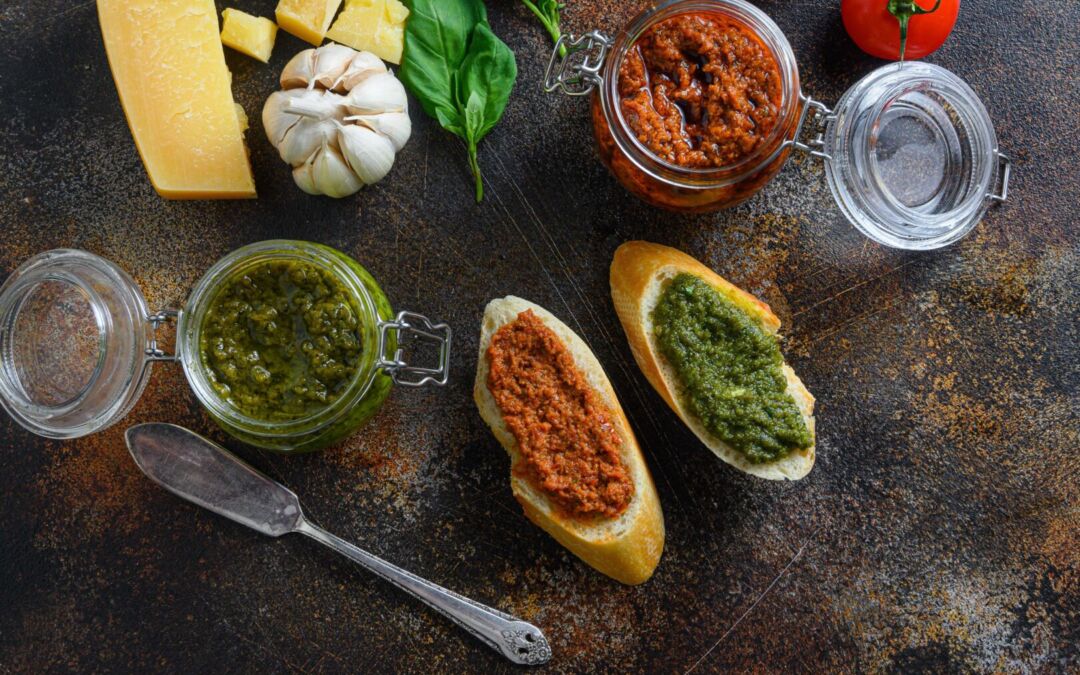
Originating in northern Italy, pesto is celebrated for its fresh, vibrant flavour and unmistakable green colour. Unlike cream-based or tomato-based sauces, pesto relies on herbs, nuts, cheese, and olive oil to create its distinctive taste.
Pesto brings brightness and freshness to a wide variety of dishes, making it especially popular during spring and summer. Its herbaceous flavour pairs wonderfully with vegetables, poultry, seafood, and pasta.
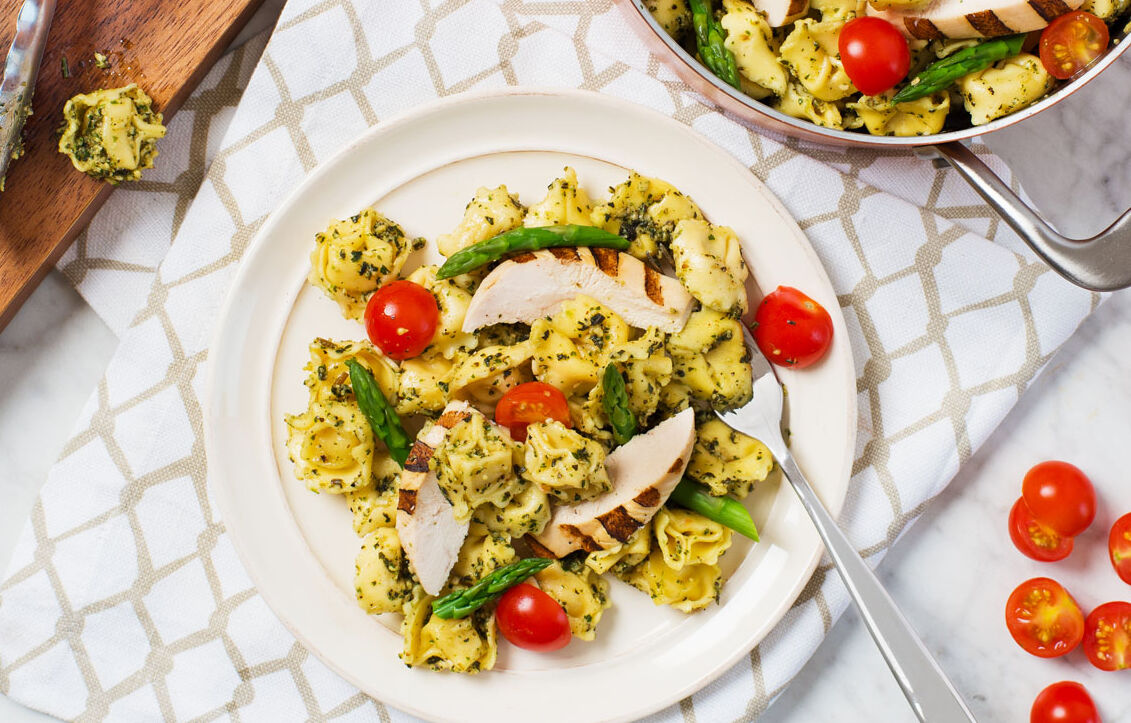
A perfect example is Chicken Pesto Tortellini with Cherry Tomatoes. The rich tortellini, tender chicken, and sweet cherry tomatoes are brought to life by the vibrant pesto sauce. Each bite delivers a balance of creamy, savoury, and fresh flavours that feels light yet satisfying.
How Is Pesto Made?
Traditional pesto is made by blending fresh basil, olive oil, garlic, pine nuts, and Parmesan cheese into a smooth sauce. The ingredients work together to create a bold flavour profile that is simultaneously earthy, nutty, and refreshing.
While basil pesto is the most well-known variation, modern recipes often incorporate spinach, arugula, kale, or different nuts to create unique twists on the classic formula.
Discover the Flavours of Italy
Whether you’re craving the comfort of a creamy Alfredo, the freshness of pesto, the elegance of rosé, or the timeless appeal of tomato sauce, Olivieri® makes it easy to bring authentic Italian-inspired flavours to your table. For more cooking tips and exciting new recipes, visit our Kitchen.